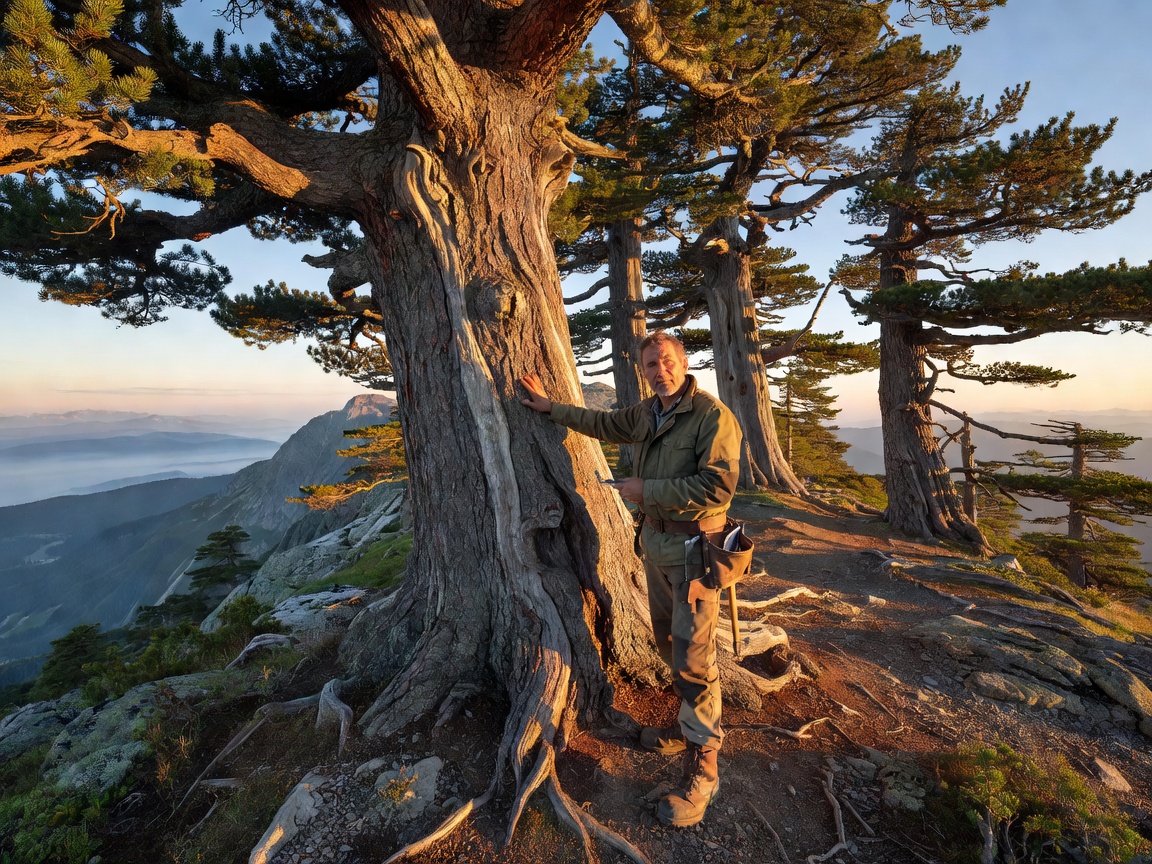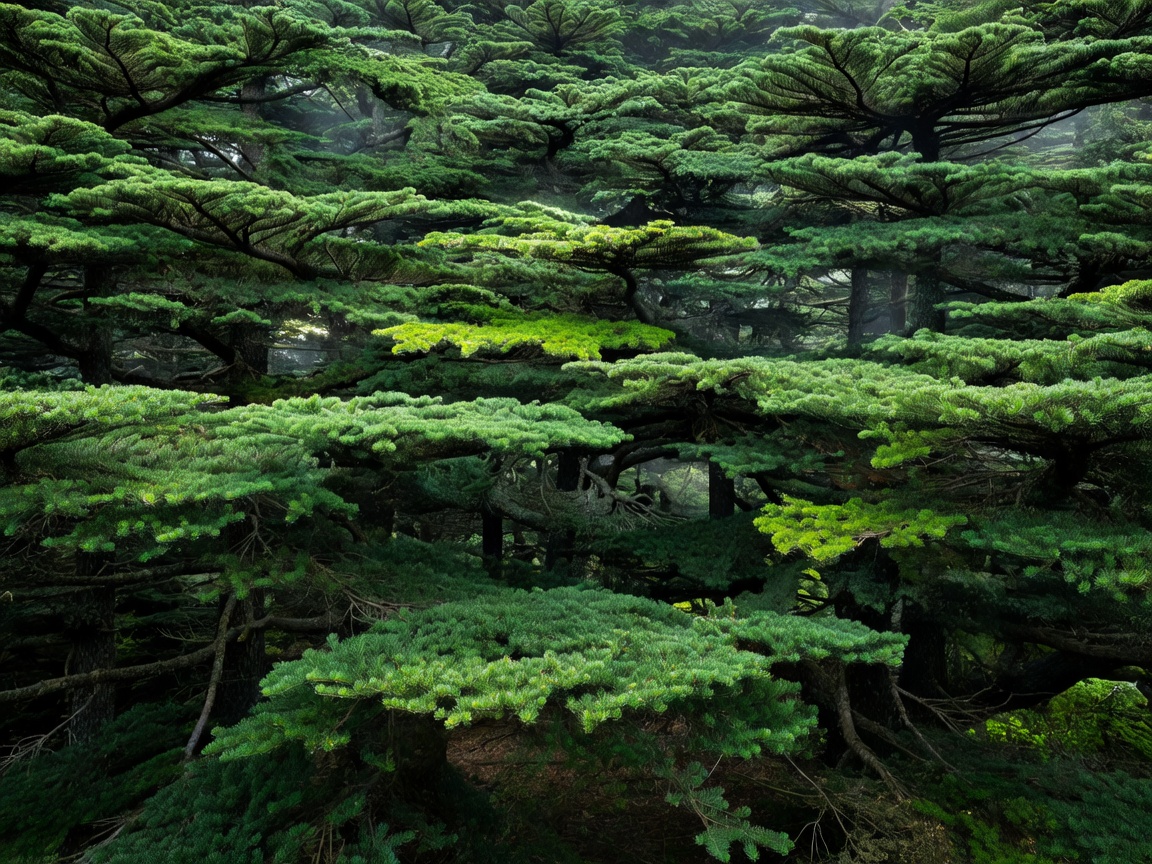
Troodos Mountain Range • 900m to 1,400m AMSL

Cyprus Cedar Cedrus brevifolia

Endemic exclusively to the rugged ultramafic peaks of Cyprus, the Cyprus cedar stands as a living botanical sentinel. Surviving within isolated montane sanctuaries, this slow-growing conifer forms an indispensable cornerstone of the eastern Mediterranean alpine ecology.

600+ ha Wild Population Area
1,400 m Maximum Elevation
500 yrs Specimen Longevity
Topographic Elevation Scanner 34°59'N 32°41'E • Core Cedar Valley Reserve
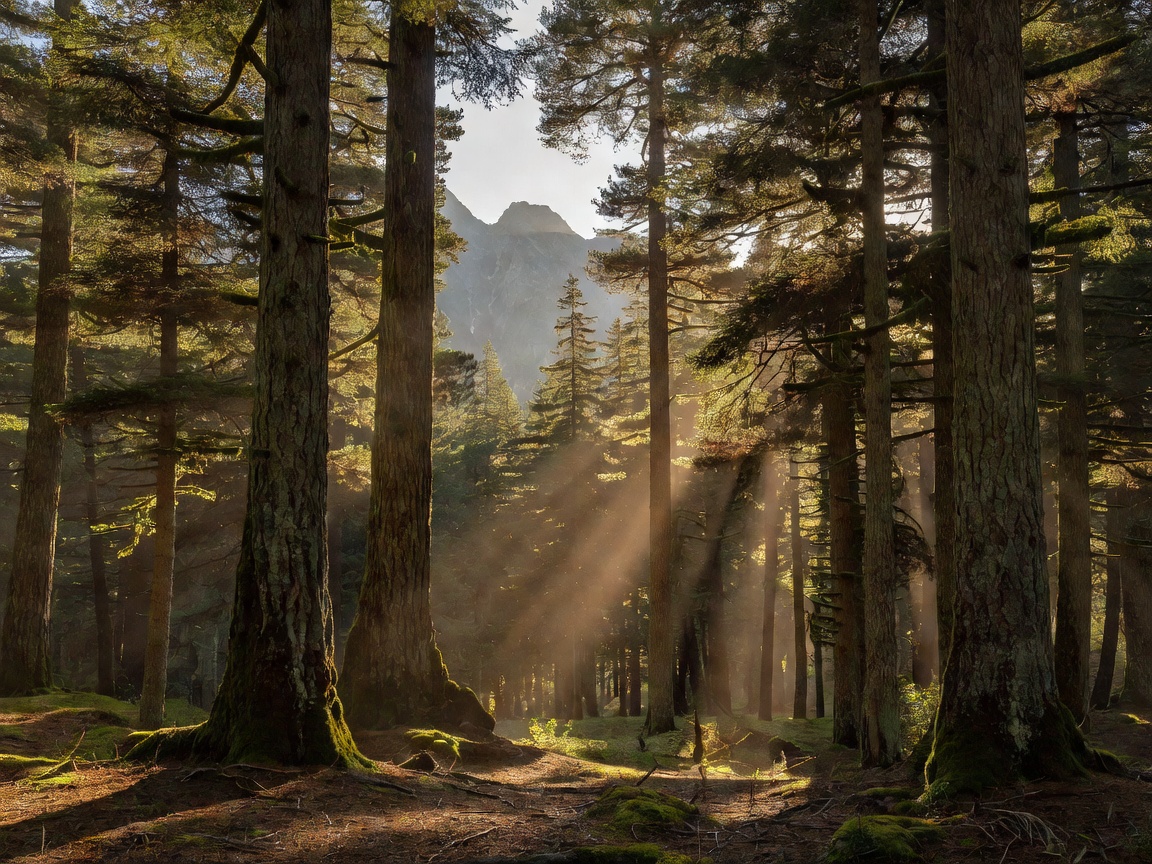
Dense montane forest canopy of Cyprus Cedar in Troodos
Active Habitat Band: 1,150 m
Lower Foothills (700m) Subalpine Ridgeline (1,600m)
Organ Anatomy & Phenotype

Interactive Anatomy of Cedrus brevifolia

Examine the evolutionary adaptations of the Cyprus cedar, crafted by thousands of years of survival in hot Mediterranean summers and freezing montane winters.

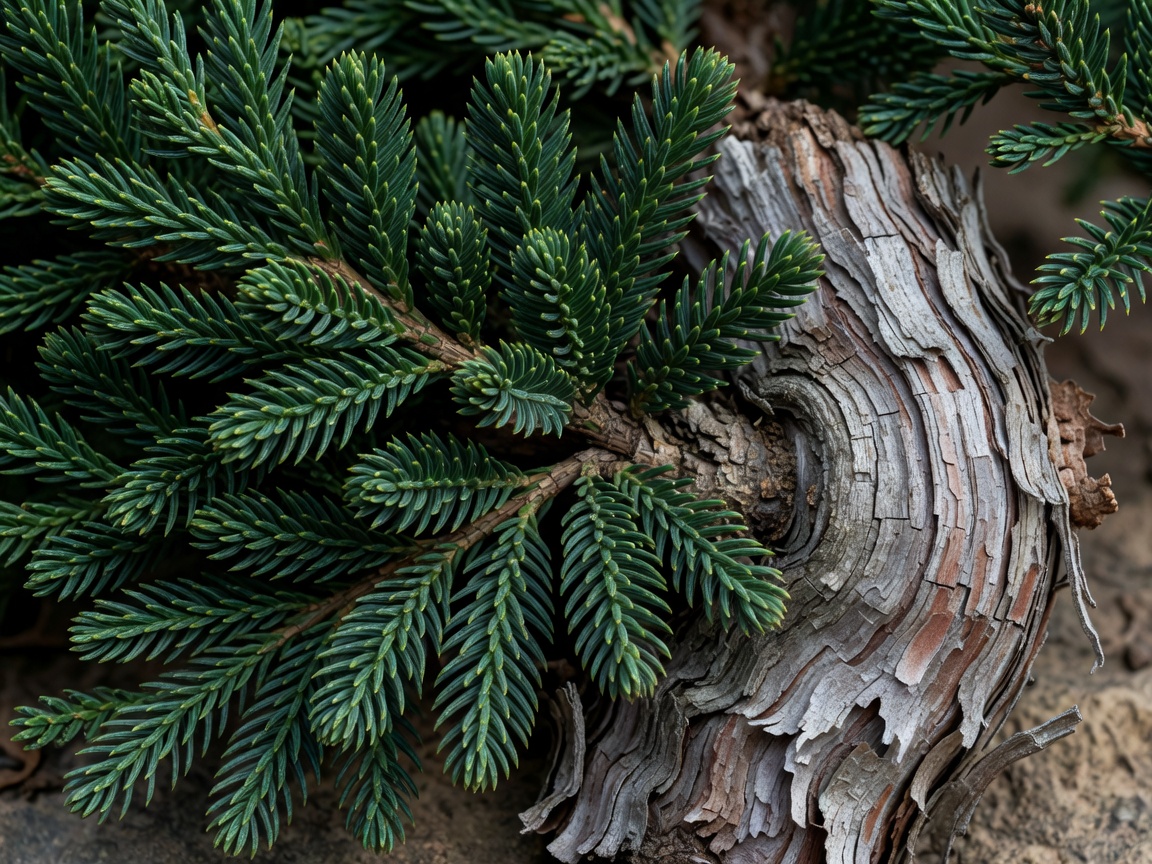
Botanical specimen showing cedar foliage needles and branch bark
1
2
3
4

1 Stunted Acicular Needles

Needles measure only 5 to 12 mm in length—markedly shorter than those of Lebanon cedar (up to 35 mm). Clustered densely on short spur shoots, their thick waxy cuticle sharply reduces transpiration during scorching summer droughts.

2 Upright Cylindrical Cones

Erect seed cones are barrel-shaped, 7 to 10 cm long and 4 to 6 cm wide, maturing from pale green to deep purplish-brown. They disintegrate on the branch at maturity to disperse winged seeds via mountain updrafts.

3 Thick Fissured Protective Bark

Young trunks exhibit smooth silvery-grey periderm. Mature trees develop deeply furrowed, dark grey-brown bark with thick cork layers capable of resisting ground fires and rapid thermal fluctuations.

4 Pyramidal to Tabular Crown

Juvenile specimens maintain an erect pyramidal silhouette. After roughly 80 to 100 years, horizontal primary boughs expand into an umbrella-like tabular canopy that sheds heavy winter snowpack efficiently.

Field Coordinates & Microclimates

Interactive Mountain Habitat Explorer

Select high-altitude micro-zones in the Troodos massif to explore specific geology, co-occurring vegetation, and elevation factors.

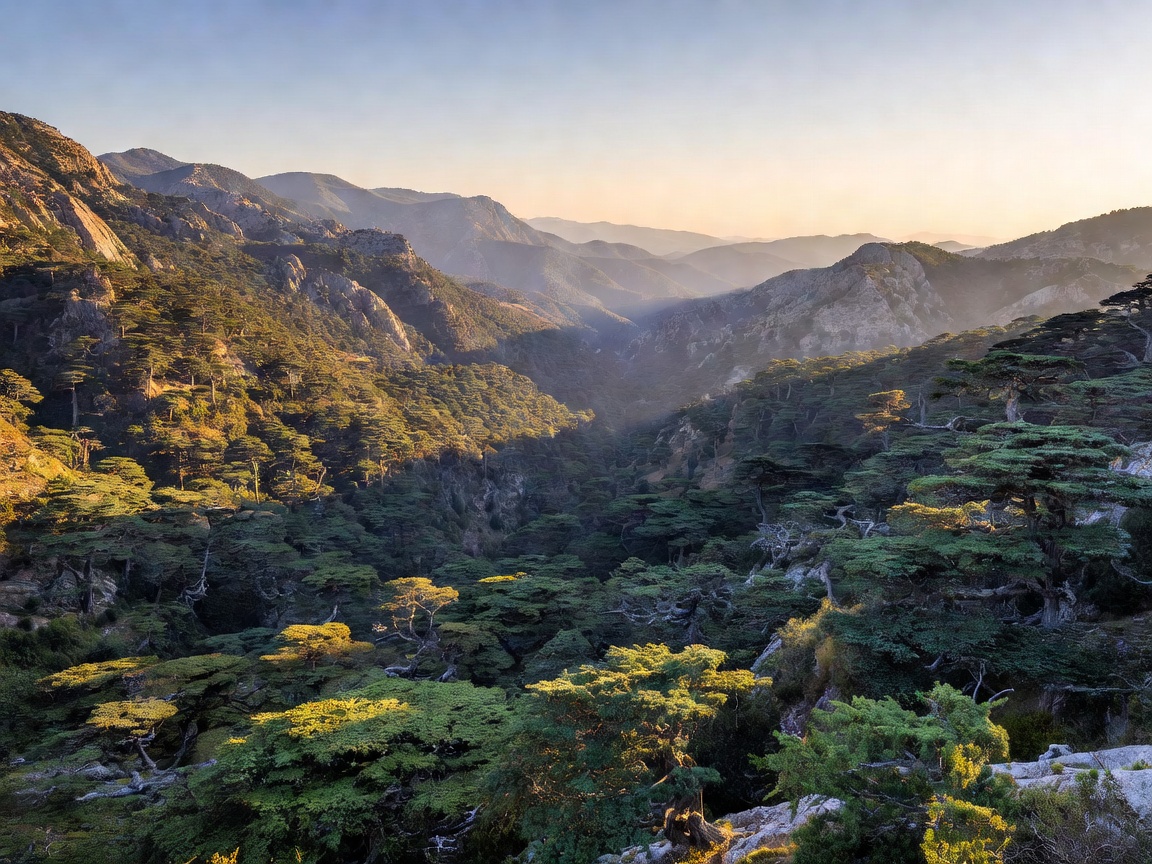
Scenic alpine view of Cedar Valley in Cyprus
34°59'20"N 32°41'45"E | 1,050m - 1,200m

Cedar Valley (Koilada ton Kedron)

The dense natural core of Cedrus brevifolia in the Paphos Forest. Characterized by high moisture trapping, serpentinite screes, and deep humus accumulation. Thousands of mature trees form majestic crowns over subterranean springs, sharing the canopy with golden oak (Quercus alnifolia) and Brutia pine (Pinus brutia).

Chronology of Botanical Study

Historical Timeline & Protection Epochs

From ancient Phoenician timber cutting to modern genomic sequencing and EU Natura 2000 statutory designation.

Circa 1879
Botanical Recognition as Distinct Species

British botanist Sir Joseph Dalton Hooker classifies the Troodos cedar as a distinct species (Cedrus brevifolia), documenting needle shortness and geographic divergence from mainland Asiatic cedars.

1939
Establishment of Tripylos Nature Reserve

The Department of Forests legally gazettes Tripylos Reserve within the Paphos Forest, terminating timber concessions, wood-chopping rights, and livestock grazing across 3,200 hectares of primary habitat.

2004
EU Natura 2000 Priority Habitat 9590*

Upon accession of Cyprus to the European Union, Cedar Valley receives "Priority Habitat" classification under Habitat Directive 92/43/EEC, enforcing stringent international biological monitoring.

2026 & Beyond
Genome Mapping & Climate Adaptation Shield

Implementation of automated fire-detection towers, thermal sensory networks, and genetic seed vaults ensuring resilience against prolonged Mediterranean heatwaves and pest outbreaks.