IUCN Red List Status and Ecological Assessment
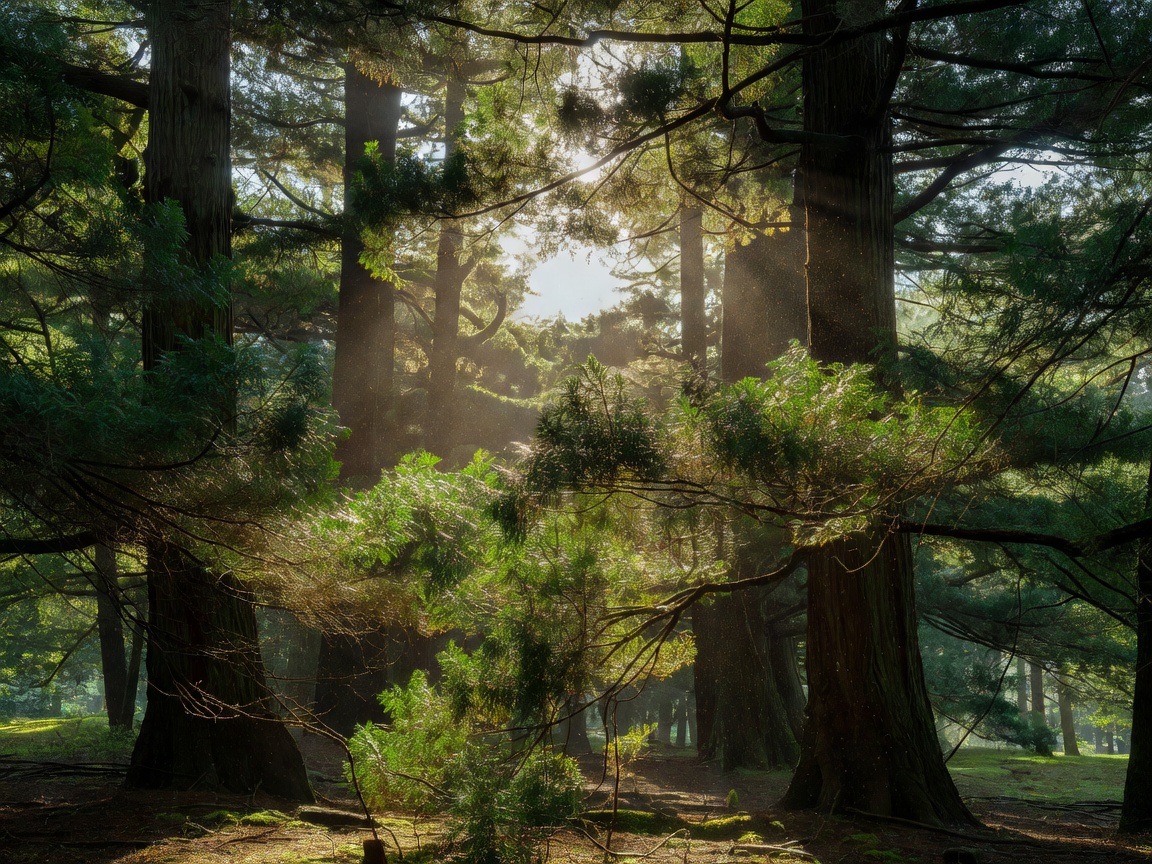
On the IUCN Red List of Threatened Species, Cedrus brevifolia is cataloged under the status of Vulnerable (VU B1ab(iii)+2ab(iii)). This classification is primarily driven by its extremely limited geographic range: its total area of occupancy (AOO) is estimated at less than 600 hectares, consolidated into a single contiguous mountain population with tiny, disjunct satellite patches.
Although total tree numbers are stable and natural regeneration occurs readily within the protected core, any catastrophic high-intensity wildfire or acute pest blight could compromise a substantial fraction of the global gene pool in a matter of days.
Primary Environmental Pressures & Threat Matrix
Conservation biologists monitor several persistent pressures impacting the Troodos cedar populations:
- Catastrophic Megafires: Mediterranean summers bring extreme heatwaves and bone-dry winds. While cedar bark offers defense against low-intensity surface fires, crowning wildfires can engulf the mature canopy, destroying ancient mother trees and seed reserves.
- Climate Change & Drought Stress: Decreasing winter snowfall and longer summer drought cycles reduce groundwater availability in shallow serpentinite scree soils. Drought stress weakens the trees' natural oleoresin defenses, increasing susceptibility to wood-boring beetles.
- Entomological Pathogens: Infestations by cedar aphids (Cinara cedri) and bark beetles (Scolytinae) can cause needle chlorosis, defoliation, and branch dieback during historically hot springs.
- Genetic Bottlenecks: Because the natural population underwent historical reductions during classical antiquity and the Middle Ages (due to naval shipbuilding and charcoal production), heterozygosity is moderate, making localized populations vulnerable to inbreeding depression.
In-Situ Protection: The Paphos Forest Management Plan
The Cyprus Department of Forests operates a comprehensive protection framework across the Troodos range:
Total Prohibition of Commercial Felling: Since the early 20th century, timber harvesting within the native cedar range has been completely banned. Every tree is cataloged as a vital biological resource.
Tripylos Strict Nature Reserve: Encompassing approximately 3,200 hectares around Cedar Valley and Tripylos Peak, this sanctuary prohibits road construction, camping, off-road vehicles, and agricultural grazing. Public visitors are confined strictly to marked educational trails to avoid root compaction.
Automated Wildfire Detection: The Department of Forests maintains permanent fire observation towers (including the Tripylos Lookout) supplemented by infrared sensors and thermal imaging drones that patrol the canopy continuously between May and October.
Ex-Situ Conservation & Cryogenic Seed Banking
To safeguard against catastrophic extinction in the wild, scientific institutes have instituted robust off-site programs:
- Cyprus National Seed Bank: Located at the Agricultural Research Institute in Nicosia, storing genetically diverse seed accessions maintained under low moisture and -20°C conditions to ensure long-term viability.
- Millennium Seed Bank (Kew Gardens, UK): An international backup collection holding viable embryos of Cedrus brevifolia to support potential reintroduction protocols.
- Platania Botanical Garden: A living ex-situ collection located near Kakopetria in the central Troodos range, cultivating verified clones for ongoing physiological testing and public environmental education.
Assisted Migration & Micro-Refugium Mapping
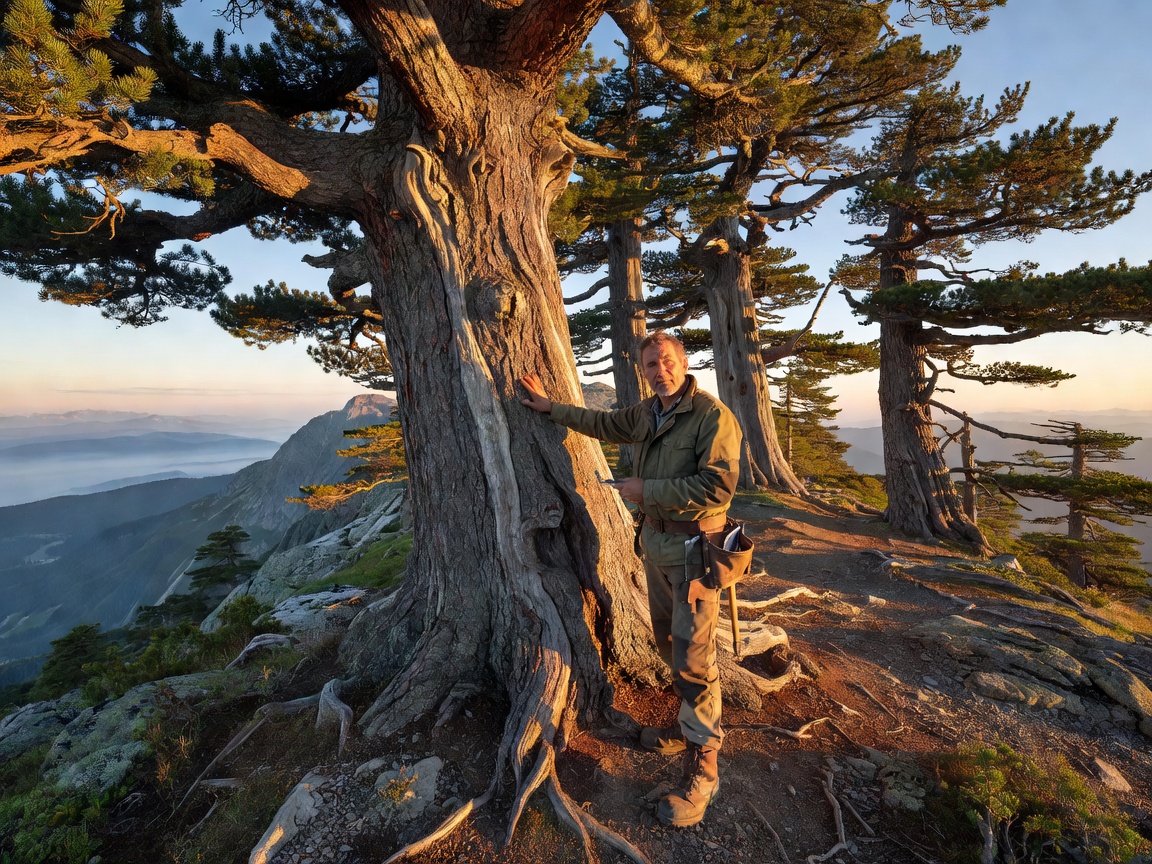
As regional temperatures rise, researchers are modeling potential assisted migration corridors higher up into the Mount Olympus dome, evaluating north-facing valleys where microclimates mimic historical moisture regimes.