Geographical Range and Spatial Isolation
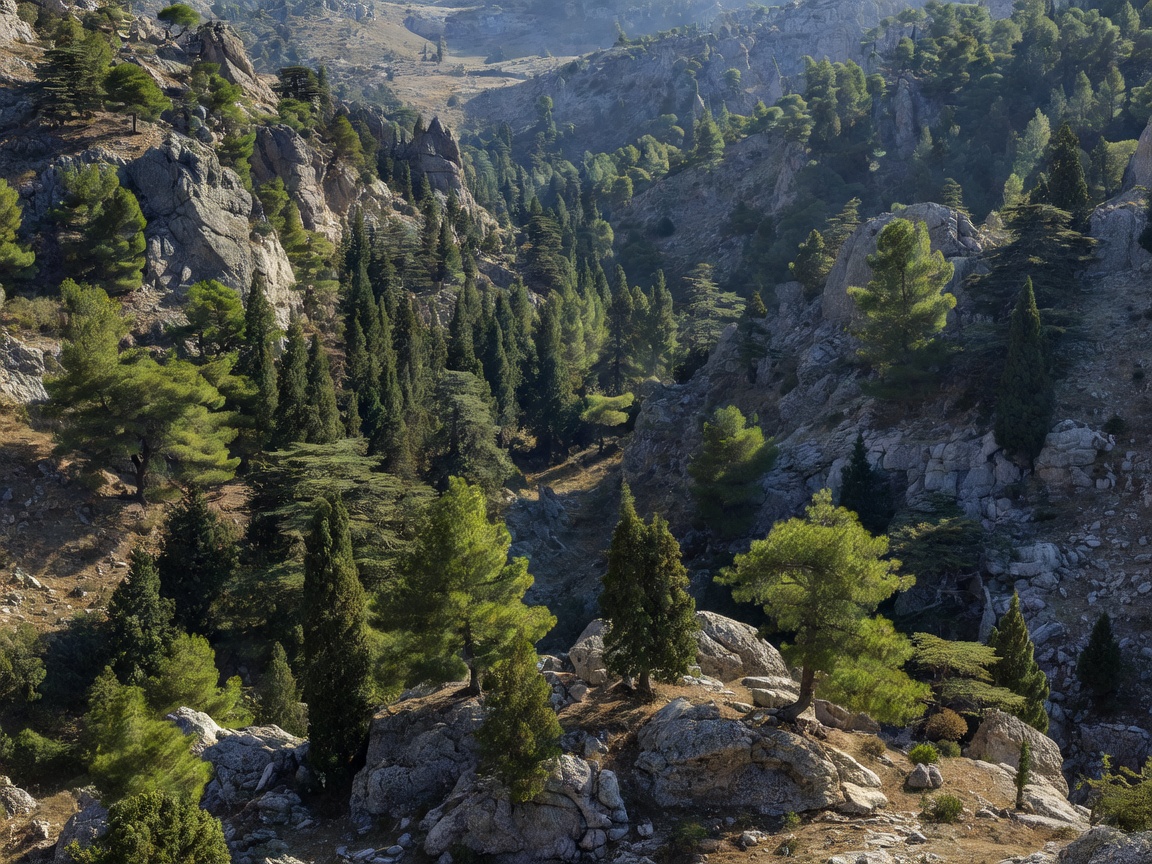
The Cyprus cedar does not occur naturally anywhere else on Earth. Its native distribution is confined to a tiny territory within the Paphos Forest on the western slopes of the Troodos Mountain Range. The core population spans roughly 500 to 600 hectares, centered around:
- Cedar Valley (Koilada ton Kedron): A deep, sheltered mountain basin north-east of Panagia village, where the greatest density of mature specimens thrives.
- Tripylos Peak (1,362 m): The highest elevation crest in the reserve, hosting windswept, weathered trees growing out of fractured bedrock fissures.
- Disjunct Peripheral Outliers: Small relict stands exist in the Madari and Platanistasa areas, showing minor genetic divergence attributable to geographical fragmentation.
Geology: The Troodos Ophiolite Complex
One of the primary factors explaining the survival of Cedrus brevifolia as an endemic relict is the remarkable geology of the Troodos Range. Troodos is world-renowned as one of the best-preserved and most thoroughly studied ophiolite complexes on Earth—an uplifted fragment of ancient oceanic crust and upper mantle formed roughly 90 million years ago during the Late Cretaceous epoch in the Neotethys Ocean.
The cedar grows directly upon ultramafic rocks, particularly:
- Harzburgite and Dunite: Deep mantle peridotites altered into serpentinite.
- Diabase Sheeted Dyke Complexes: Providing high quartz-poor skeletal soils.
- Gabbros and Plagiogranites: Permeable rocky substrates allowing taproots to seek subterranean fissure water.
Climatic Conditions and Altitude Stratification
The habitat is characterized by a humid-to-subhumid Mediterranean montane climate (Köppen: Csa transitioning to Dsb at higher crests):
- Elevation Range: Native stands occur primarily between 900 and 1,380 meters above sea level. Below 900 meters, conditions become too arid and hot for cedar seedlings; above 1,400 meters on nearby Mount Olympus (1,952 m), Black Pine (Pinus nigra subsp. pallasiana) dominates the subalpine zone.
- Precipitation: Annual rainfall ranges from 750 to 950 mm, falling predominantly between October and April. Heavy snowfalls occur reliably from December through March, slowly replenishing deep rock fissures.
- Summer Cloud Water Interception: Even during prolonged dry summers (June to August), prevailing westerly sea winds rise up the western slopes, producing condensation and dense mountain mists that reduce foliar moisture loss.
Associated Plant Communities and Forest Stratification
Cedrus brevifolia does not grow in sterile monocultures; rather, it anchors an intricately layered mountain woodland community:
Overstory Canopy: Shared primarily with the Calabrian Pine (Pinus brutia). While pines grow faster in open sunlight, cedars outlive them by centuries, gradually dominating the upper canopy in climax stands.
Subcanopy and Shrub Layer: Dominated by the endemic Golden Oak (Quercus alnifolia), whose sclerophyllous evergreen leaves feature a felted golden-yellow underside. Other frequent companions include the Greek Strawberry Tree (Arbutus andrachne), Mediterranean Hawthorn (Crataegus azarolus), and Rock Rose (Cistus creticus).
Ground Flora: Fissured screes harbor rare endemic geophytes, including the Cyprus Cyclamen (Cyclamen cyprium), Troodos Sage (Salvia willeana), and Cyprus Orchid (Epipactis troodi).
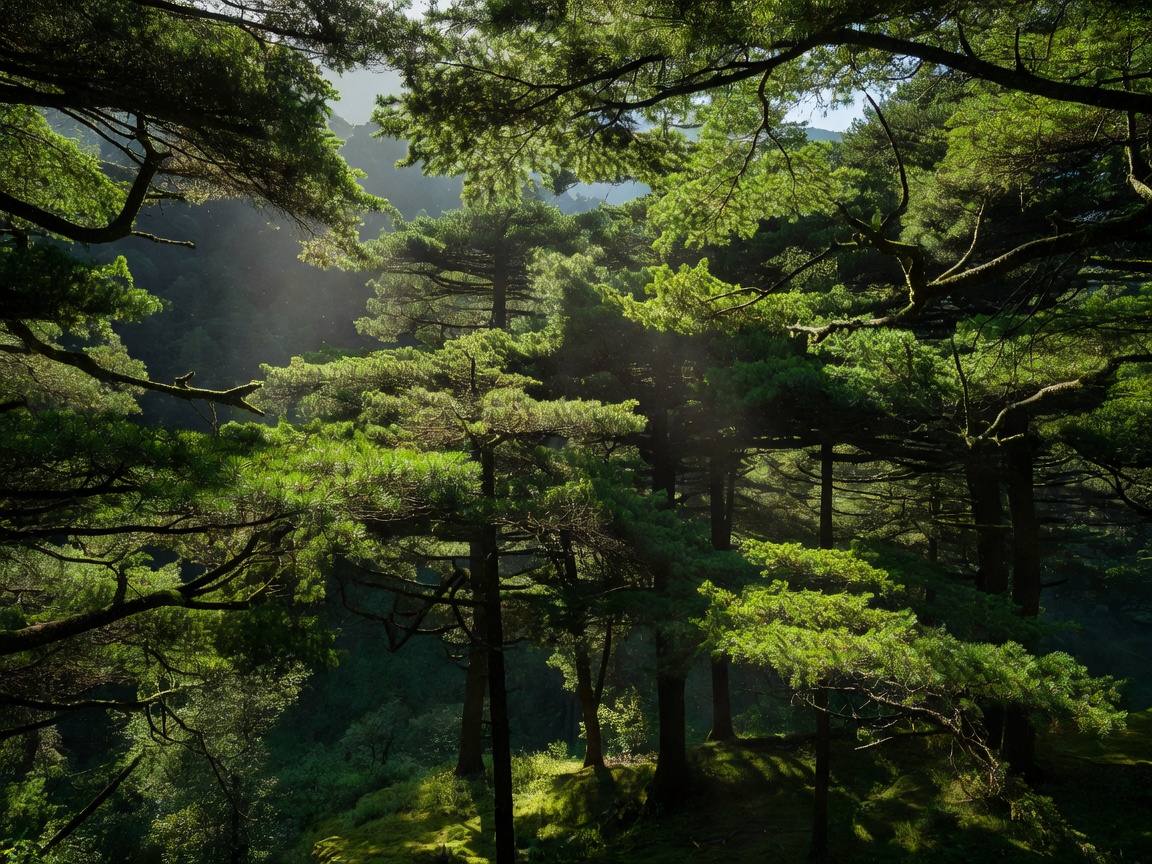
Cedar Forests of Cyprus (Cedrosetum brevifoliae)
Classified as a priority habitat under the EU Habitats Directive. The ecological stability of these woodlands relies upon maintaining ancient soil fungal networks (mycorrhizae) and protecting steep slope hydrology from erosion.